Journal
A Moment for Moxa: What Moxibustion Is and Why We Love It
A moment for moxa, yo. Here's what that warm, herby, slightly-smoky ritual actually is, why we love it in the clinic, and whether you'll walk out smelling like a campfire (spoiler: not really).
10:23am in the clinic and there's a soft curl of smoke rising from the apothecary room. Something herby, a little earthy, weirdly comforting. That, friends, is moxa, and it's one of the oldest, warmest tricks in the Chinese medicine book. Let's take a moment for it.
So what actually is moxa?
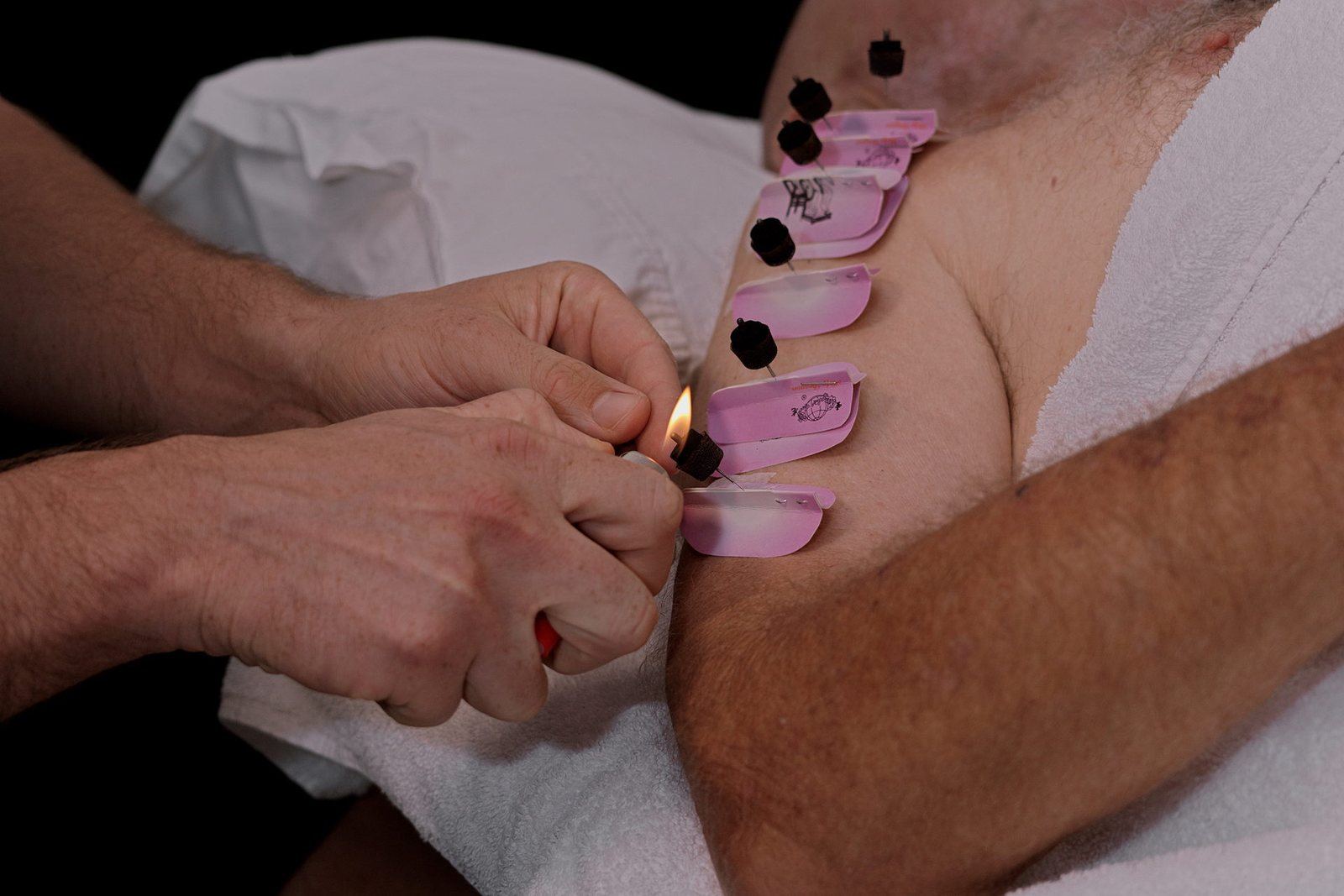
Moxa is made from mugwort, a humble, fuzzy little plant (Artemisia) that's been used across Asia for thousands of years. The leaves are dried and fluffed down into a soft, almost wool-like material, then either rolled into a cigar-shaped stick, packed into tiny cones, or perched on the end of a needle. When we light it, it smoulders rather than flames, giving off a deep, penetrating warmth.
The practice of using that warmth on the body is called moxibustion. Fun fact: the word "acupuncture" in Chinese, zhēn jiǔ, literally means "needle moxa." They've always been a pair. Pins and herbs and pins and herbs.
How warming the points moves Qi
In Chinese medicine, the body runs on Qi, a kind of warm, moving life-energy that flows through channels (meridians). When Qi is flowing freely, you feel good: warm hands, easy digestion, steady energy. When it gets cold, stuck, or depleted, things slow down. Think sluggish digestion, cold feet that never warm up, achy joints that hate winter, that bone-deep tired feeling.
Moxa's job is to bring the heat. By warming specific acupuncture points, we're gently coaxing Qi and blood to move again, softening stagnation, dispelling cold, and topping up where things feel a bit empty. Ali, who trained in Japanese-style acupuncture and classical herbalism with a sensei in Japan, often pairs gentle needling with a little moxa to do exactly this: warm the channel, move the stuck, nourish the depleted.
What moxa is used for
We reach for moxa when the picture is cold, slow, or run-down rather than hot and inflamed. It's traditionally used to support:
- Digestion, warming the belly is said to support a sluggish, cold-feeling gut and that "everything sits heavy" sensation.
- Circulation & cold, for the people whose hands and feet are never warm, moxa is a beautiful thing.
- Depletion & fatigue, when you're running on empty, gentle warmth at the right points may help support energy and recovery.
- Aches that worsen in the cold, stiff, achy spots that love a hot water bottle tend to love moxa too.
- Women's health & general vitality, moxa has a long history of use for warming and supporting the lower body.
A gentle note: we talk in "is used for" and "may support" language on purpose. Moxa isn't a magic cure, and we won't pretend it is. It's a time-honoured tool that, alongside acupuncture and herbs, can help your body do what it already wants to do.
What a moxa moment actually feels like
Honestly? Lovely. Most people describe a deep, radiating warmth spreading from the point, the kind that makes your shoulders drop and your breath get slower. It's not a sharp or burning sensation. The practitioner holds the moxa close enough to warm you but never to touch the skin, watching your feedback the whole time. The second it feels too toasty, you say so and we lift it away.
It pairs perfectly with our whole vibe in there, warm brick, the velvet chair, the Edison glow, shelves of herbs. Being, doing. A moment for Moxa.
Safety, and the big question: will I smell like a campfire?
Ha, the question everyone asks. The smoke is mild and the scent is more "herbal incense" than "bonfire." It can linger faintly on clothes for a little while, a bit like walking past a nice candle, but it fades fast and most people don't notice it by the time they're back in the car. If you're sensitive, we also have smokeless options.
On safety: moxa is gentle but it is heat, so we're careful. We'll skip or adapt it if you have certain conditions, reduced skin sensation, or are pregnant (some points are avoided in pregnancy). Always let us know your health history so we can tailor things. As with everything we do here, gentle and considered is the whole point.
Come have a moment for moxa
If you're on the Gold Coast and curious about moxibustion, come find us upstairs in our warm little apothecary room inside Maverick on Griffith St, Coolangatta. Reanna and Ali will figure out whether moxa, needles, herbs, or all three, are right for you. Book online anytime via Cliniko, or call us on 0406 660 720. First appointments are $170 (90 min) and standard sessions $120 (60 min), with HICAPS health-fund rebates available on the spot. Let's get that Qi moving, let's go!
Ready when you are.
First appointments run 90 minutes, so there is room to hear the whole picture before anything else happens.
More from the journal
Keep reading.
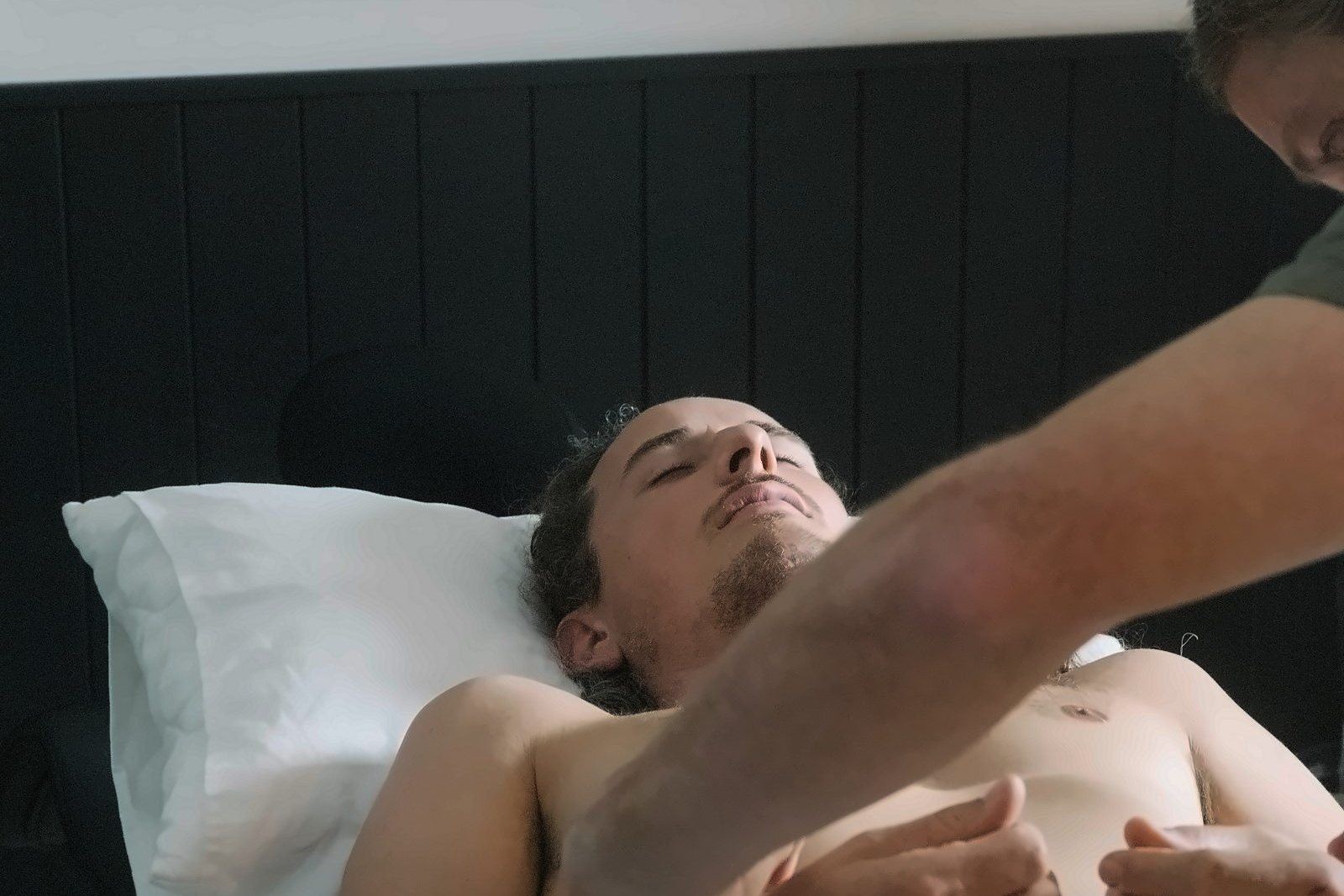
Scared of Needles? Why Japanese-Style Acupuncture Barely Feels Like Anything
if the idea of needles makes you tense up, you're not weird, you're normal. here's why Japanese-style acupuncture feels like almost nothing, and how we keep it gentle.
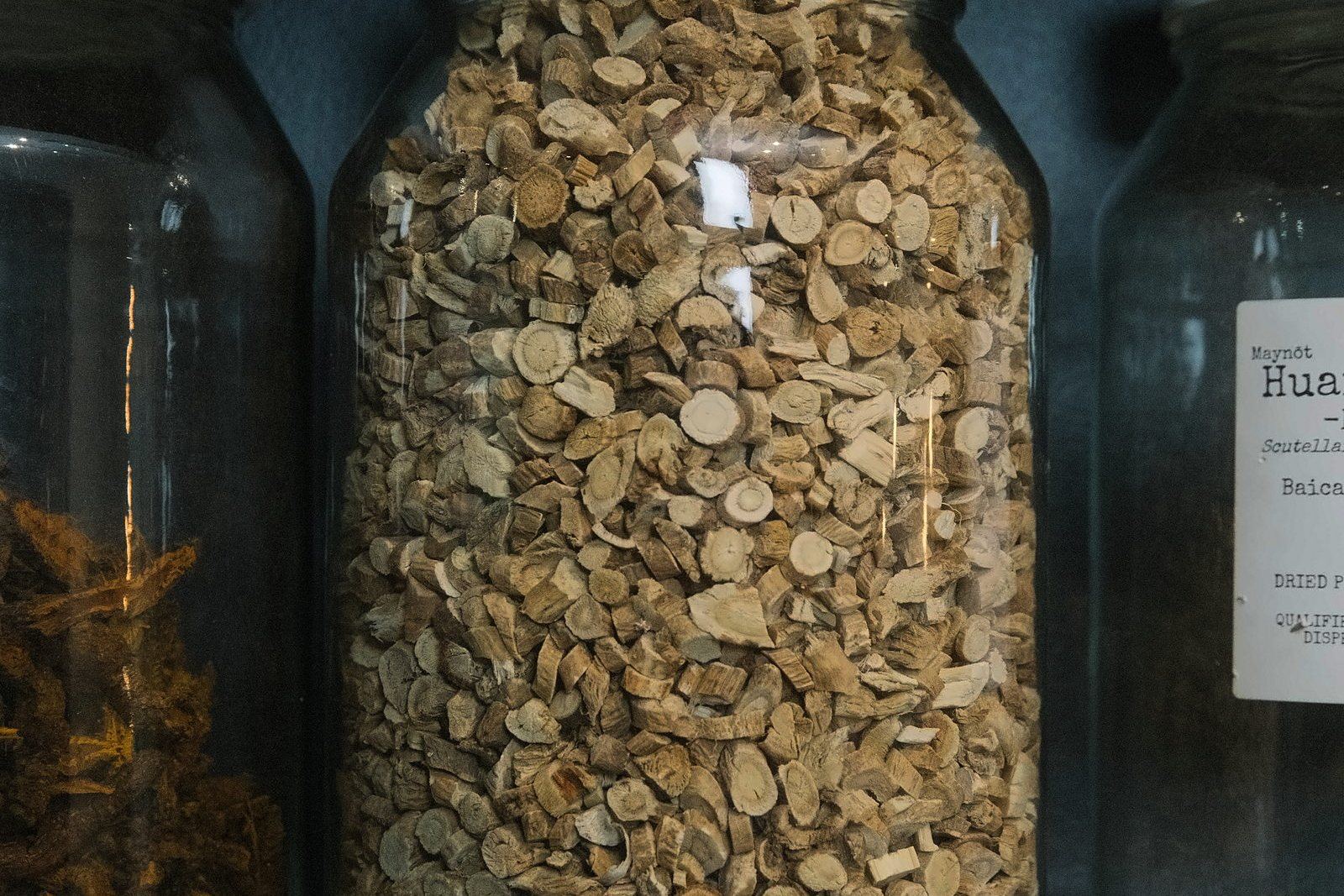
Liver Season Is Here: How to Move With Spring (TCM Style)
Spring is in the building, which means Liver season is here. Here's why Traditional Chinese Medicine reads the seasons, the signs your Qi might be stuck, and the simple medicine of greens, movement and letting it out.
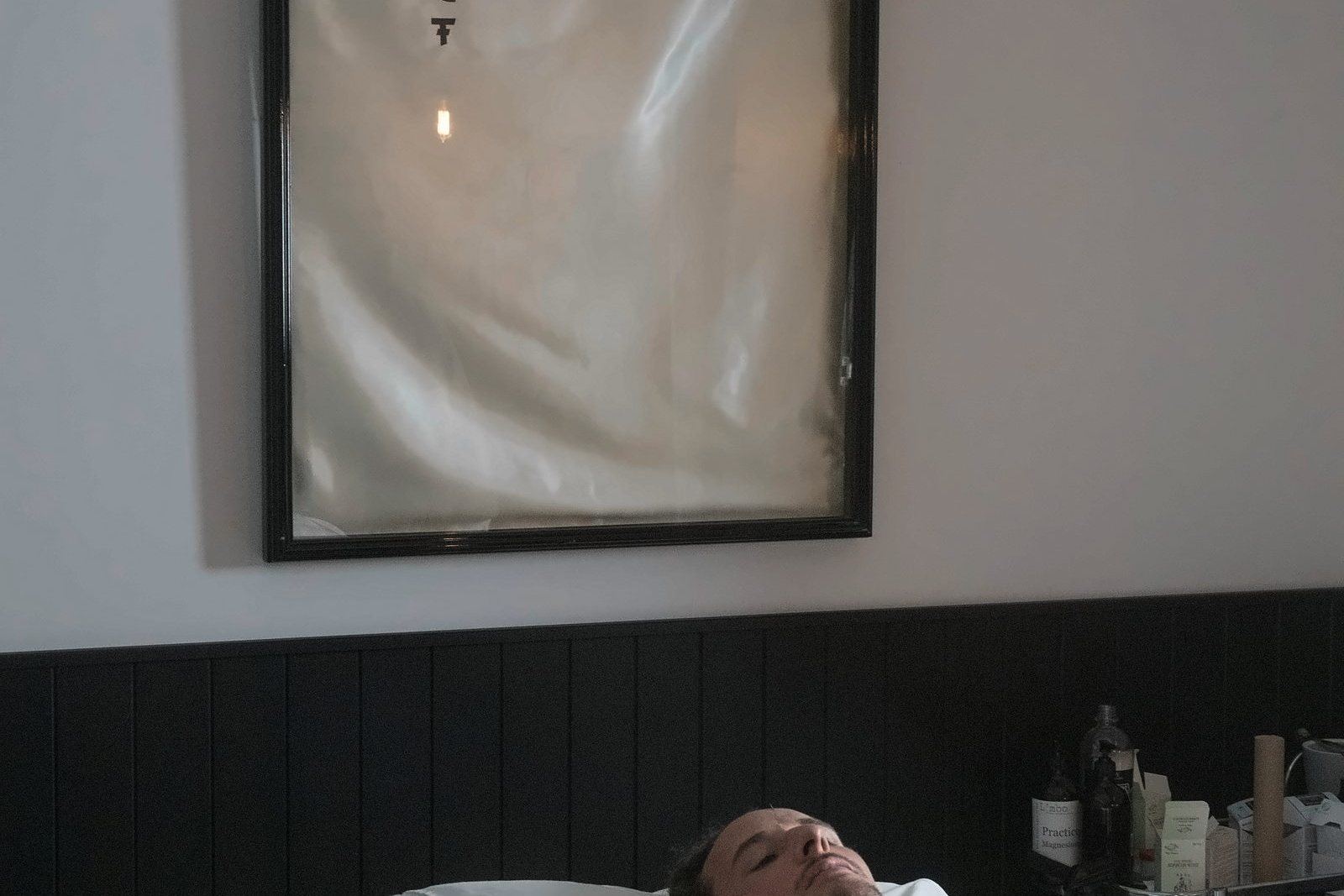
Wired & Tired? How Acupuncture Helps With Stress and Sleep
Lying in bed, eyes wide open, body fried but brain still pinging? That's the wired-and-tired loop. Here's how gentle acupuncture helps you climb out of fight-or-flight and back into rest.